
Door won't open or feels unusually heavy
Often tied to a broken spring, a slipped cable, or a door that's out of balance. The opener may still hum or try to move the door, but the door won't lift reliably.
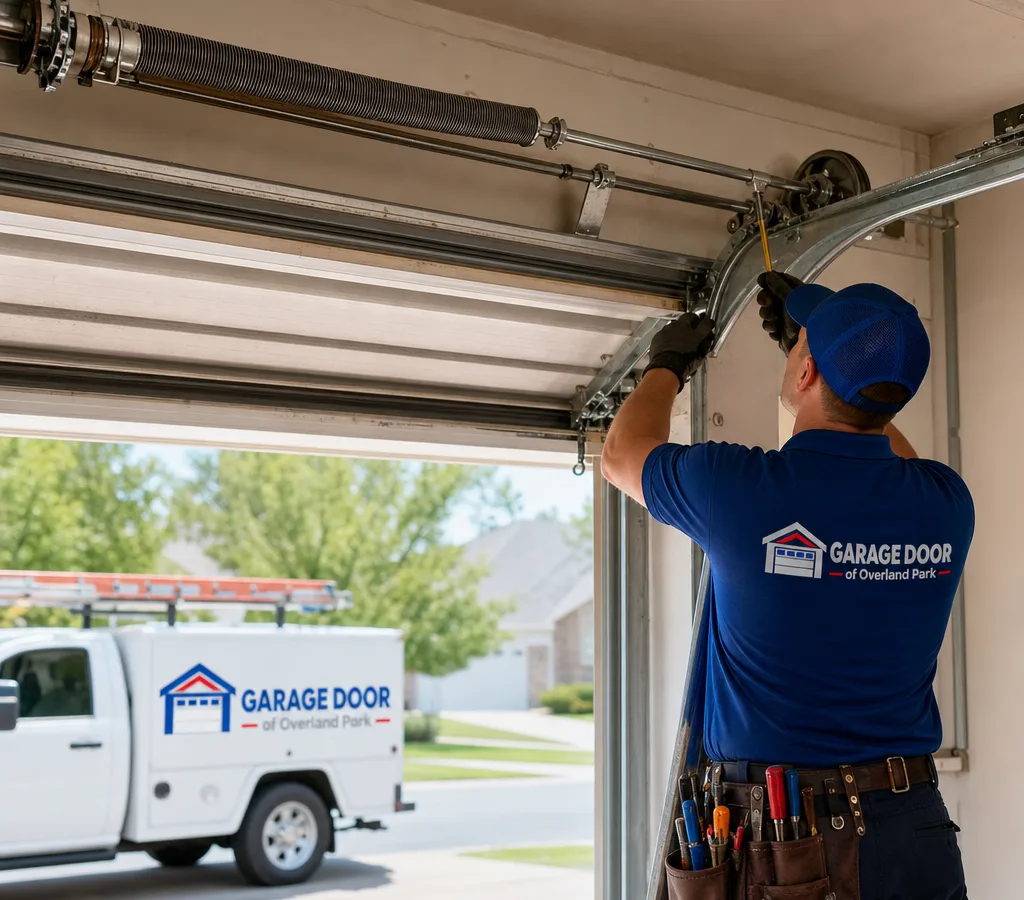
Garage Door Repair · Lenexa
Describe what the door is doing once and we'll connect you with a local contractor who handles garage door repairs and can take it from there.
CALL NOW: +1 913 562 6780Repair inspection
When a garage door starts grinding, sticking, drifting crooked, or refusing to close, the cause is usually mechanical. A modern door is a balanced system: springs counterweight the door, cables transfer force, rollers and hinges guide the sections, and the opener only pulls a properly balanced door.
For Garage door Repair Lenexa calls, the contractor you speak with will typically start by asking what you're seeing and hearing, then verify a few fundamentals on site:
Lenexa and the Overland Park area see big temperature swings through the year, and that can show up as louder operation, stiffer rollers, and small changes in track alignment as the door and framing expand and contract. If the door suddenly changes behavior after a cold snap or a hot stretch, that detail helps the contractor narrow the likely cause.
If you're trying to decide whether to start with a door repair visit or a broader checkup, the quickest path is often a phone call through local garage door repair connections. Explain the symptom and door type—single versus double, steel versus wood, manual versus opener—once, and you can be connected with a contractor who works on these systems every week.
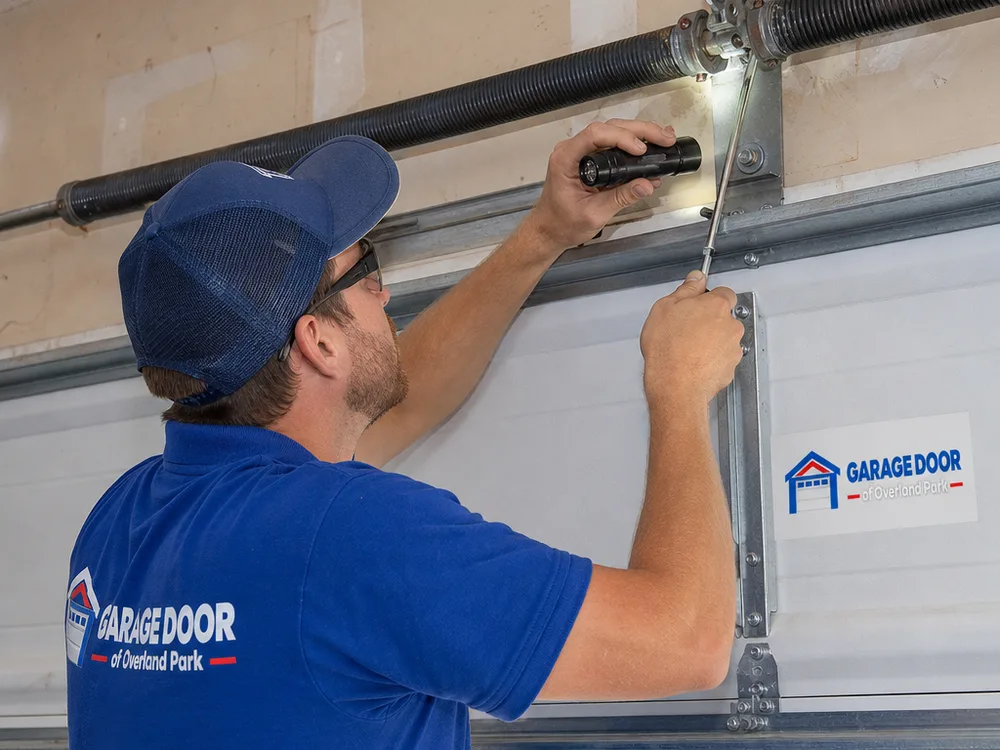
Often tied to a broken spring, a slipped cable, or a door that's out of balance. The opener may still hum or try to move the door, but the door won't lift reliably.
A cable can jump a drum groove, a roller can come out of track, or hardware can loosen. Continued operation can bend track and damage hinges.
Worn rollers, loose hinges, dry bearings, or track misalignment can create noise. The right fix depends on where the sound comes from during travel.
This can be a safety-sensor alignment issue, a door binding in the tracks, or an opener setting that needs adjustment after mechanical changes.
A door that's out of level, has a worn bottom seal, or has shifted tracks can leave gaps that let in weather and pests.
From call to testing
You describe the symptoms—noise, sticking, reversal, or crooked travel—the door type, and whether it's safe to operate. We use that to connect you with a local contractor who handles garage door repair work.
The contractor may ask a few targeted questions before arriving, like whether the door feels heavy by hand, whether a spring looks separated, or whether the opener lights flash when it reverses.
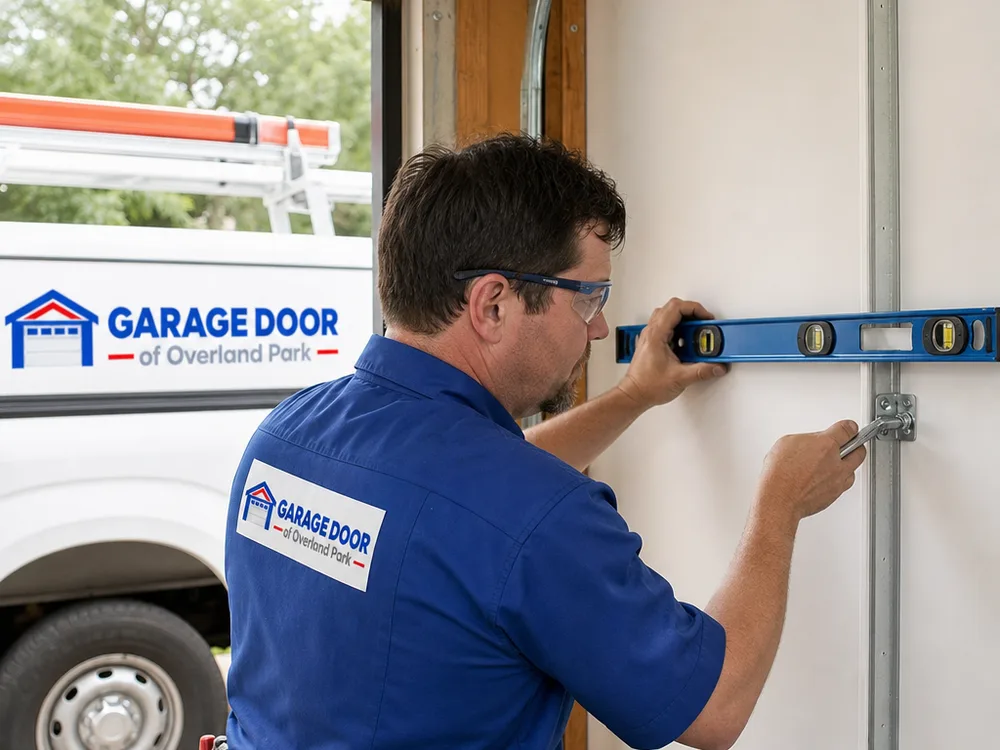
A good inspection includes springs, cables, rollers, hinges, track mounting, and opener engagement. The contractor will explain what's worn or out of alignment and what options make sense.
After the repair, the door is typically tested for smooth travel, proper balance, and consistent closing. You can ask the contractor what maintenance to do and what to watch for next.
If the door is noisy, sticking, or moving unevenly, a short phone call is usually enough to get matched with a local contractor who can diagnose the cause and discuss the right fix.
Repair details
Common questions
If the door is hard to lift by hand with the opener disconnected or it moves rough in the tracks, the door hardware is usually the main issue. If the door is balanced and moves smoothly by hand but the motor struggles, stops, or won't respond consistently, the opener may be part of the problem. A contractor will typically check the door balance first because an out-of-balance door can make an opener look like it's failing.
Uneven travel or a loud bang can signal a cable problem or a spring issue, and continued operation can lead to the door jamming or dropping. The safest move is to avoid cycling the door and describe what you heard and saw when you call, so the contractor comes prepared for the right inspection.
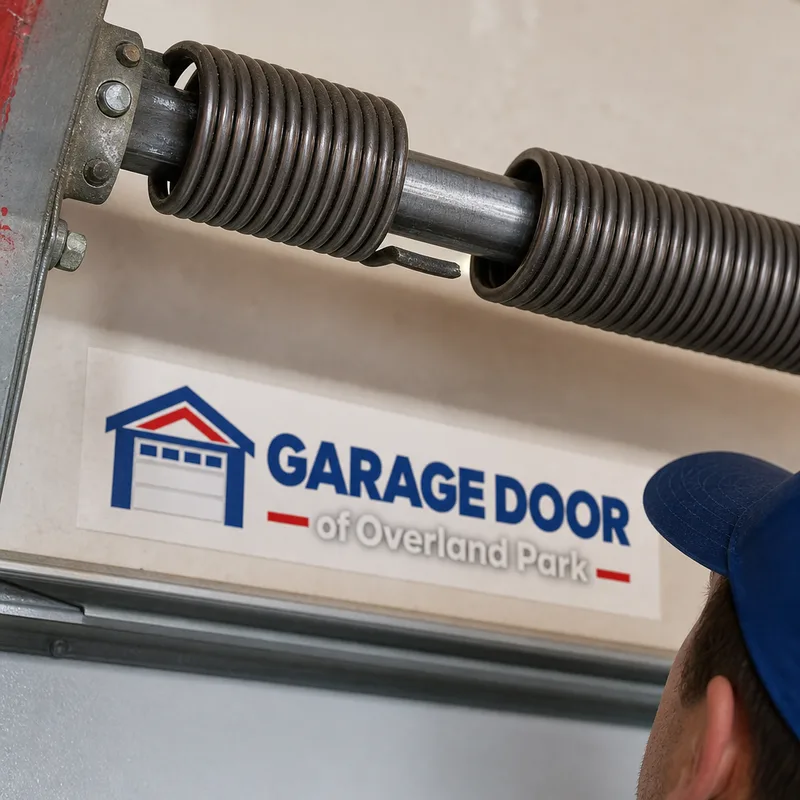
A broken torsion spring often has a visible gap in the coil above the door, and the door may feel extremely heavy. Extension springs, if present, run along the horizontal tracks and may hang or look stretched out. Springs are under high tension, so it's best to leave the hardware untouched and explain what you noticed to the contractor.
A door can reverse because the safety sensors are misaligned or blocked, because the door is binding in the tracks, or because the opener's force and travel settings need adjustment after mechanical changes. In practice, contractors often start by checking track alignment, roller condition, and sensor alignment to isolate whether the cause is mechanical or electrical.
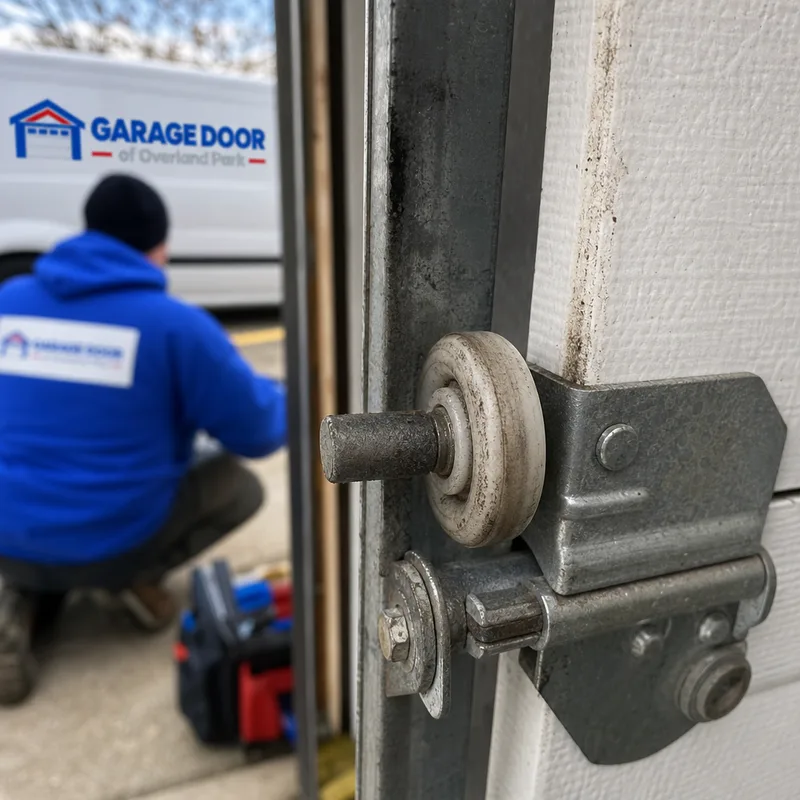
A door that has rollers out of track usually needs the door stabilized, the track inspected for bends, and the roller path corrected before it's operated again. The contractor may also check cables and hinges because a track incident can be the result of other hardware shifting or wearing out.
Start with the door size, whether it's manual or opener-driven, what the door does when you try to run it, and whether you heard a bang or saw a hanging cable. If you know the opener brand or whether the springs are torsion above the door or extension along the tracks, share that too; it helps the contractor bring the right parts and tools.
A thorough repair visit usually includes verifying that the door travels smoothly and that basic safety features are working correctly. You can ask the contractor to walk you through what they tested and what adjustments were made, especially if the issue involved reversing or incomplete closing.
Pick up the phone, describe the problem once, and Garage Door of Overland Park will connect you with a local contractor who can inspect the door system and talk through repair options with you directly.